It’s common to feel safe in familiar places. After all, we know our surroundings well, whether it’s our home, neighborhood, or regular hangout spots. However, this sense of comfort can sometimes blind us to potential risks. When we fall into a routine, it’s easy to become complacent, overlooking things that might not seem immediately dangerous.
Our brains can play tricks on us, leading us to believe that the likelihood of something bad happening is low. This false sense of security can result in moments where we let our guard down, which might lead to careless mistakes.
So, how can we enhance our awareness and stay vigilant in everyday life? Here are a few practical tips to keep in mind:
- Stay Present: Make an effort to be aware of your surroundings. Notice changes in your environment, even in places you visit regularly. This can help you identify anything out of the ordinary.
- Trust Your Instincts: If something feels off, it probably is. Don’t ignore your gut feelings; they can often guide you to make safer choices.
- Change Up Your Routine: Occasionally altering your routine can help keep your mind alert. Take a different route to work or change the times you run errands. This keeps your mind engaged and aware of your surroundings.
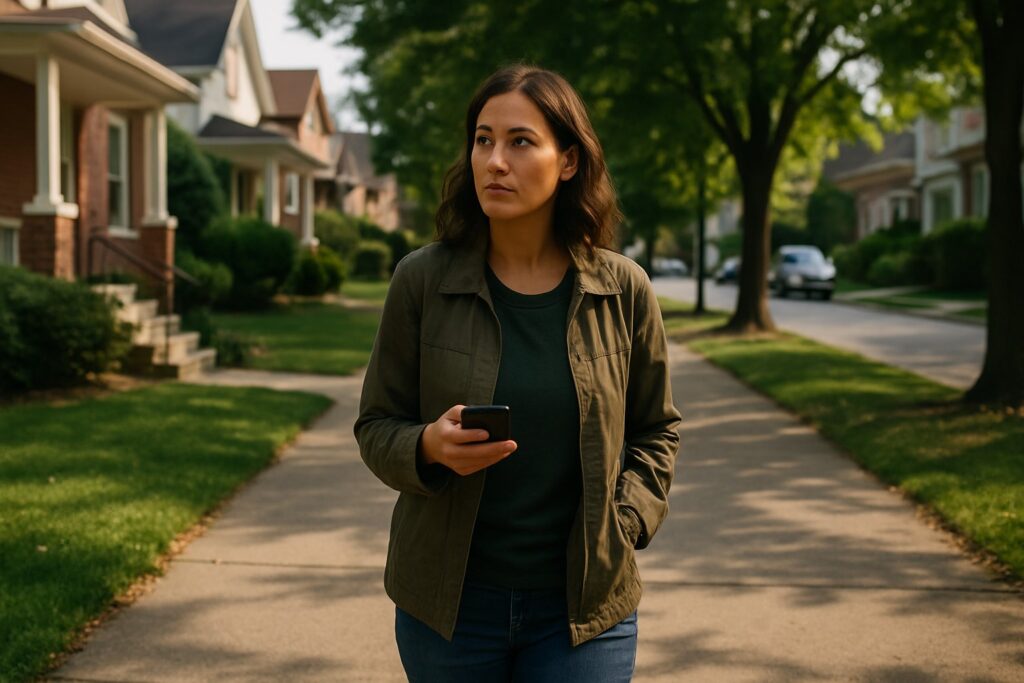
- Limit Distractions: In our busy lives, it’s easy to get distracted by our phones or other devices. Try to minimize distractions when you’re in public spaces so you can stay more aware of what’s happening around you.
- Engage with Others: If you’re in a familiar area, connect with others around you. This not only fosters community but also increases your awareness as you share observations and insights.
- Educate Yourself: Understanding common risks in your environment can prepare you better. Whether it’s knowing safe practices at home or being aware of potential hazards in your neighborhood, knowledge is a powerful tool.
By applying these strategies, you can maintain a balance between comfort and vigilance. It’s about being aware and prepared without letting fear take over. Staying safe in familiar places is possible, and it starts with a little mindfulness and proactive thinking.
The Illusion of Safety in Familiarity
Have you ever felt that warm sense of security in places you know well? Maybe it’s your favorite coffee shop or the route you take to work every day. It’s easy to assume that because you’re familiar with your surroundings, you’re safe. But here’s the thing: that feeling of safety can sometimes be a bit misleading.
When we’re in familiar environments, it’s natural to let our guard down. We might think, “Nothing bad ever happens here,” which can lead us to overlook potential risks. Familiarity brings comfort, but it can also dull our awareness. We might miss subtle signs that something isn’t quite right.
For example, consider your daily commute. You’ve taken the same route countless times, and it feels routine. But what if there’s unexpected construction or a sudden influx of crowds? These changes can create new hazards that you might not notice if you’re too relaxed and not paying attention.
So, what can you do? It’s important to stay aware, even in the places that feel like home. Take a moment to observe your surroundings, and don’t hesitate to trust your instincts if something feels off. Practicing this kind of everyday awareness can go a long way in keeping you safe.
Complacency and Its Consequences
Familiarity can sometimes lead us to let our guard down, especially in places we know well. It’s easy to fall into a routine and think that nothing bad could happen in our everyday environments. However, this mindset can make us less vigilant and more susceptible to risks.
When we’re comfortable in our surroundings, we might overlook safety hazards or ignore warning signs that would typically catch our attention. Our minds can drift to mundane tasks, leaving us distracted and unaware of what’s happening around us.
It’s important to remember that just because a place feels safe, it doesn’t necessarily mean it is. Being aware and proactive in familiar settings can help us protect ourselves from unexpected dangers. So, even in places where we feel at ease, it’s crucial to stay alert and mindful of our surroundings. Taking a moment to pause and observe can make all the difference in keeping ourselves safe.
The Role of Routine in Risk Perception
Have you ever stopped to think about how our daily routines might shape the way we perceive risk? It’s interesting to consider how those familiar habits can create a sense of safety, sometimes leading us to underestimate potential dangers.
When we consistently engage in the same activities, whether it’s driving the same route to work or following a set schedule at home, we start to feel comfortable in our environments. This comfort can be a double-edged sword. While it gives us a sense of stability, it can also make us less aware of the risks around us. We might begin to overlook warning signs or changes in our surroundings simply because we think we know them so well.
For example, you might find yourself ignoring safety protocols in your home or neighborhood, just because they’ve become part of your routine. It’s easy to fall into that trap, but it’s important to remember that being in a familiar space doesn’t mean it’s entirely safe.
By becoming aware of how our routines can influence our awareness of risk, we can make small adjustments in our behavior. Taking a moment to be mindful of our surroundings, even in places we know well, can enhance our overall safety. It doesn’t have to be anything drastic—just a gentle reminder to stay alert and pay attention to the details.
Cognitive Biases That Impact Our Awareness
Cognitive biases can quietly influence how we perceive risks in our daily lives, often making us less aware of potential dangers. One of the most common biases is the familiarity heuristic. This is when we feel safe in a particular place simply because we know it well, which can lead us to overlook warning signs that something might actually be off.
Another bias to consider is confirmation bias. This is where we tend to focus on information that confirms our existing beliefs, often ignoring anything that contradicts our sense of safety. For instance, if we believe an area is safe, we might dismiss any news about incidents that occur there.
Then there’s the optimism bias, which can create a false sense of invulnerability. We might think that bad things are less likely to happen to us than to others, making us less cautious in potentially risky situations.
When these biases combine, they can lead us to feel overly secure and reduce our awareness of our surroundings. It’s important to recognize these mental shortcuts so we can reassess our environments and stay alert to possible threats, even in places that feel familiar and safe. By being mindful of these tendencies, we can enhance our awareness and take practical steps to stay safe in our everyday lives.
Strategies for Maintaining Vigilance at Home
When we think of home, we often picture a cozy sanctuary, a place where we can relax and feel safe. However, it’s important to maintain a level of vigilance to ensure that safety. Here are some straightforward tips to help you stay aware and prepared in your own space.
First, take a moment to assess your surroundings. Make sure all your windows and doors are secure. Simple steps like checking locks can go a long way. Good lighting is another essential element; well-lit entry points can discourage unwanted visitors. Consider using motion-activated lights to brighten up dark areas around your home.
Establishing a routine can also help keep safety at the forefront of your mind. For example, make it a habit to lock your doors at specific times each day. This kind of practice soon becomes second nature and reinforces your security.
While security systems and cameras can provide additional peace of mind, it’s just as valuable to stay aware of your surroundings. Pay attention to any unusual sounds or movements outside—your instincts can be a strong guide in these situations.
Involving your family in safety discussions is a great way to ensure everyone is on the same page. Talk together about emergency plans and what to do in various situations. This not only promotes safety but can also create a sense of togetherness.
Lastly, be mindful of how much you share on social media. It’s easy to forget that not everyone has your best interests at heart when posting about your location or travel plans. Keeping some details private can help protect your home.
Familiar places can quietly lower our guard, which is why ongoing awareness matters even in spaces we know well. Best Defense Tools shares real-world insights on personal safety awareness, mindset, and everyday habits that help people stay alert without living in fear.
For readers who want a deeper understanding of personal protection and how safety tools fit responsibly into daily life, Self Defense Products LLC offers education on legal considerations, preparedness, and practical safety choices rooted in real experience.